How to Clean a Granite Headstone Safely
Last Updated: November 2, 2026
Quick Summary
To learn how to clean a granite headstone safely, use only clean water, a pH-neutral detergent, a soft-bristled brush, and a plastic scraper. Wash from the top down, rinse thoroughly until the runoff is clear, then dry with a soft towel. Never use bleach, acidic cleaners, wire brushes, or a pressure washer on granite.
Clean a granite headstone once or twice a year, and more often in shaded, damp spots.
Dilute a few drops of mild dish soap in a bucket of warm water for light suds.
Pre-rinse the stone, wash top down in small circles, rinse until clear, then dry.
Skip bleach and moss killers, which can stain granite and leave residue in the pores.
Stop and call a professional if the stone is unstable, cracked, or flaking.
Table of Contents
Is It Safe to Clean a Granite Headstone?
Yes, learning how to clean a granite headstone safely is straightforward, provided you use gentle methods.

Still, "safe" does not mean "indestructible." Harsh chemicals, wire brushes, and high-pressure washing can scratch the polished surface or wear down etched lettering.
Before you start, look closely at the stone. Polished granite has a glossy, mirror-like face.
One more thing worth knowing up front: not every stone should be cleaned by a family member. Some need a conservator's hands.
When to Stop and Call a Professional
Walk away and call a professional if the stone is unstable, cracked, or flaking. A leaning or rocking marker can tip while you work, and a cracked stone can split under light pressure.
Also stop for stones with deep biological growth in the pores, heavy rust or copper staining, or historic markers in older cemeteries. If cleaning or repair feels risky, it helps to understand cemetery rules for private memorials before you hire help or make changes.
When in doubt, photograph the stone and ask a professional. A short consultation costs far less than a replacement.
Granite Headstone Cleaning Products: What Works and What Damages Stone
For most granite headstones, the correct cleaning kit is short: clean water, a pH-neutral detergent if water alone is not enough, a soft brush, and a plastic scraper. What matters is knowing why each one is on the list.
Granite is an igneous rock made mostly of quartz, feldspar, and mica. Its feldspar and mica can be affected by strong acids and bases, and abrasives remove the polished surface permanently.
What works, and why
Water. The primary cleaner and rinse. It floats away loose grit, softens biological growth, and carries away detergent residue. Use it generously at the start and end of every job.
pH-neutral detergent. A mild dish soap or cleaner labeled pH-neutral sits near 7 on the pH scale, close to the stone's own chemistry. It lifts oils, pollen film, and light grime without attacking the minerals. Dilute heavily: a few drops per gallon is enough.
Soft-bristled brush. Natural fiber or nylon bristles flex against lettering and carved details instead of gouging them. Stiff or metal bristles remove polish and leave scratches that trap dirt.
Plastic scraper. Lifts bird droppings, sap, and crusted debris without the risk of steel wool or a putty knife. Metal tools leave fragments that rust and stain.
What damages granite, and how
Acidic cleaners. Vinegar, lemon juice, and rust removers sit below 7 on the pH scale and can etch the feldspar and mica between quartz grains. Damage is slow and cumulative.
Bleach and strong bases. Bleach can discolor granite and leaves salts in the pores that draw moisture. It also harms grass and plants downhill of the stone.
Abrasive powders and pads. Scouring powder, steel wool, and abrasive pads remove the polished layer. Once the polish is gone, the surface is rougher and traps dirt faster.
Wire brushes. Metal bristles shed fragments that embed in the stone and rust, leaving brown streaks that are difficult to remove without professional help.
Dilution and product choice
If water alone does not lift the film, mix a pH-neutral detergent at the weakest ratio the label allows and test it on an inconspicuous corner first. More concentrate is not better; it means more rinsing and a higher chance of residue baking onto the stone in sun. Avoid unverified home mixtures, recipes combining vinegar, bleach, or ammonia are common online, but they can react with each other and with the stone, and none are necessary on granite.
Pro Tip When in doubt, use less product and more water. On granite, the gentlest option that works is the correct option.
How to Clean a Gravestone with Dish Soap: Dilution and Method
Dish soap works well on granite when you dilute it. Mix a few drops of mild dish soap into a bucket of warm water, you want light suds, not a thick lather.
Patten's Michigan Monument Company
Here is the method:
Pre-rinse the stone with clean water to float away loose grit.
Dip your soft brush in the soapy water and shake off the excess.
Work from the top down in small circles, one section at a time.
Go easy around lettering and decorative details, where dirt collects.
Rinse thoroughly with clean water until no suds remain.
Dry with a soft towel to prevent water spots.
Never let soapy water dry on the stone; residue traps dirt and can leave a dull film.
For a deeper clean on stubborn film, a pH-neutral stone cleaner made for granite can be used in place of dish soap.
Tools and Prep Checklist Before You Start
Gather everything before you leave the car. A forgotten brush means a second trip, and a rushed job is where mistakes happen.
Soft-bristled brush, natural or nylon
Plastic scraper
Two buckets: one for soapy water, one for clean rinse water
Mild dish soap or pH-neutral stone cleaner
Clean towels or microfiber cloths
Prep matters as much as the tools. Check the weather; avoid cleaning in freezing temperatures or full sun. Clear loose debris from around the base first, so you are not tracking grit back onto the stone. Snap that before-photo too, it helps you spot changes and gives you a record if you ever need to show the cemetery office what was done.
Step-by-Step: Washing, Rinsing, and Drying Granite
Knowing how to clean a granite headstone safely means washing, rinsing, and drying in that order, and never skipping the rinse. Soap left behind attracts dirt and dulls the finish.
Pre-rinse the whole stone with clean water.
Remove loose debris with your hands or a plastic scraper. Never use metal.
Wash from the top down with your soft brush and mild solution.
Scrub gently around lettering and carved details.
Rinse with clean water until the runoff is clear.
Dry with a soft towel, then let the stone air out.
Work in shade or on a cloudy day when you can. Fast drying in hot sun leaves streaks. If a stain remains after one pass, wait a day and try again rather than scrubbing harder.
How to Remove Moss from a Headstone Without Damaging It
Moss, algae, and lichen are different problems and do not all respond to the same approach. Moss is a soft plant that roots shallowly in dirt and moisture on the surface. Algae is a film that feeds on dampness and sun. Lichen is a partnership between fungus and algae that grips the stone itself and can be very difficult to remove without damaging the surface.
Start with the least aggressive step
Begin by loosening moss with a plastic scraper. Work at the edges and lift gently; do not dig into the stone or pry at the base.
Algae usually lifts with the same soapy-water soak and a soft brush. Rinse thoroughly, because algae film left behind regrows quickly.
Lichen is the exception. Its hold on the stone is structural, and scrubbing harder removes stone along with the lichen.
Why growth comes back
If moss or algae keeps returning, the real issue is moisture, not the cleaner. Granite in shade, under trees, or near sprinklers stays damp longer, and damp stone grows growth.
Skip bleach and moss killers. They can stain granite, harm surrounding grass, and leave residue in the pores. They also do not fix the moisture problem, so the growth returns.
When to stop
Stop and call a professional if growth has worked into cracks, if the stone is flaking around the growth, or if the stone is leaning or unstable. Those are signs of deeper trouble, not a cleaning problem. Photograph the stone before and after any attempt so you have a record, and check with the cemetery office before using any product beyond water and mild soap.
Watch Out Never use a wire brush, bleach, or a pressure washer on biological growth. Each of these can damage the stone or the surrounding landscape, and none is necessary for routine moss and algae removal.
The goal is not a stone that looks new. It is a stone that stays sound, legible, and respectful for the family who visits it.
How Often to Clean a Headstone and What to Expect
Clean a granite headstone once or twice a year for most settings.
Set realistic expectations. Gentle cleaning removes dirt, moss, and light staining.
If you are thinking about long-term care and durability, it helps to know how to choose a durable granite memorial that ages well.
A quick reference for how often to clean and what gentle cleaning can and cannot fix.
Item | Value | Note |
Typical cleaning frequency | Once or twice a year | More often in shaded, damp spots |
Sunny, open sites | May need less frequent cleaning | , |
Before family visits or holidays | Optional light cleaning | , |
What gentle cleaning removes | Dirt, moss, and light staining | , |
What it will not remove | Deep rust, copper, or oil stains | , |
Faded polish | Cannot be restored by cleaning | Some discoloration is normal weathering |
Ordering a Custom Granite Memorial That Ages Well
Choosing the right stone at the start makes every future cleaning easier.
When you order, think about where the memorial will sit. Before you order a new or replacement memorial, it helps to understand your choices before ordering a granite memorial so the stone lasts.
This is where we come in. Memorials Direct works with you one-on-one to design a custom memorial, and every piece is permanently etched by our team at Bolt Laserworks.
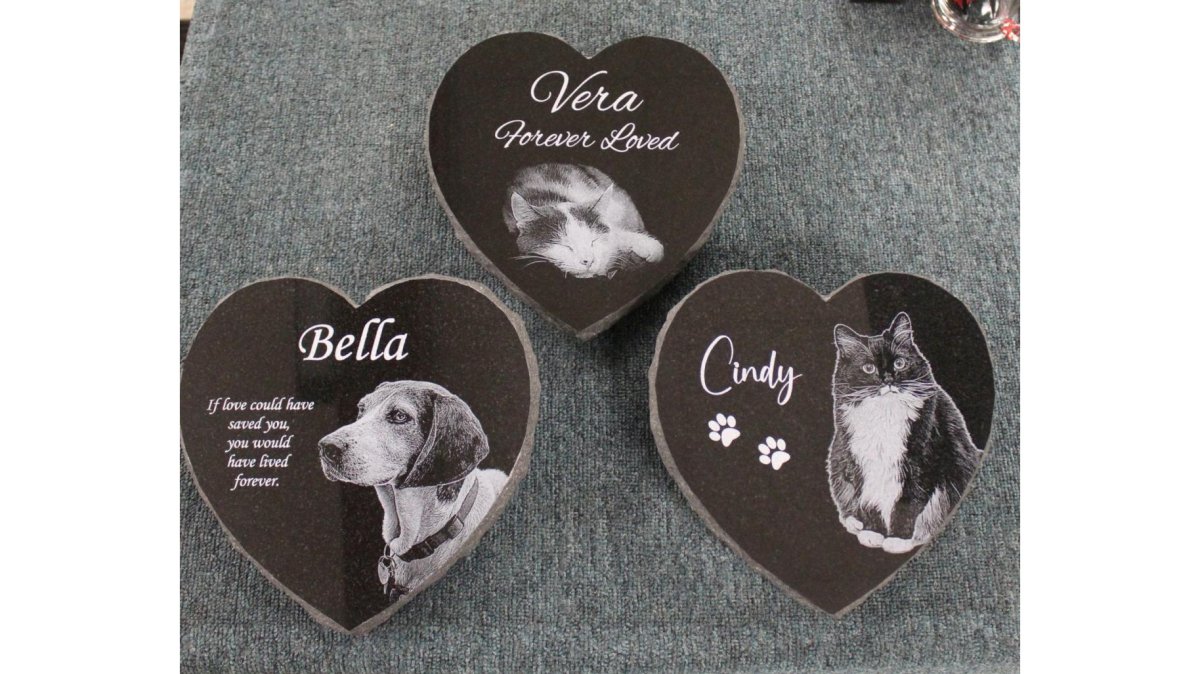
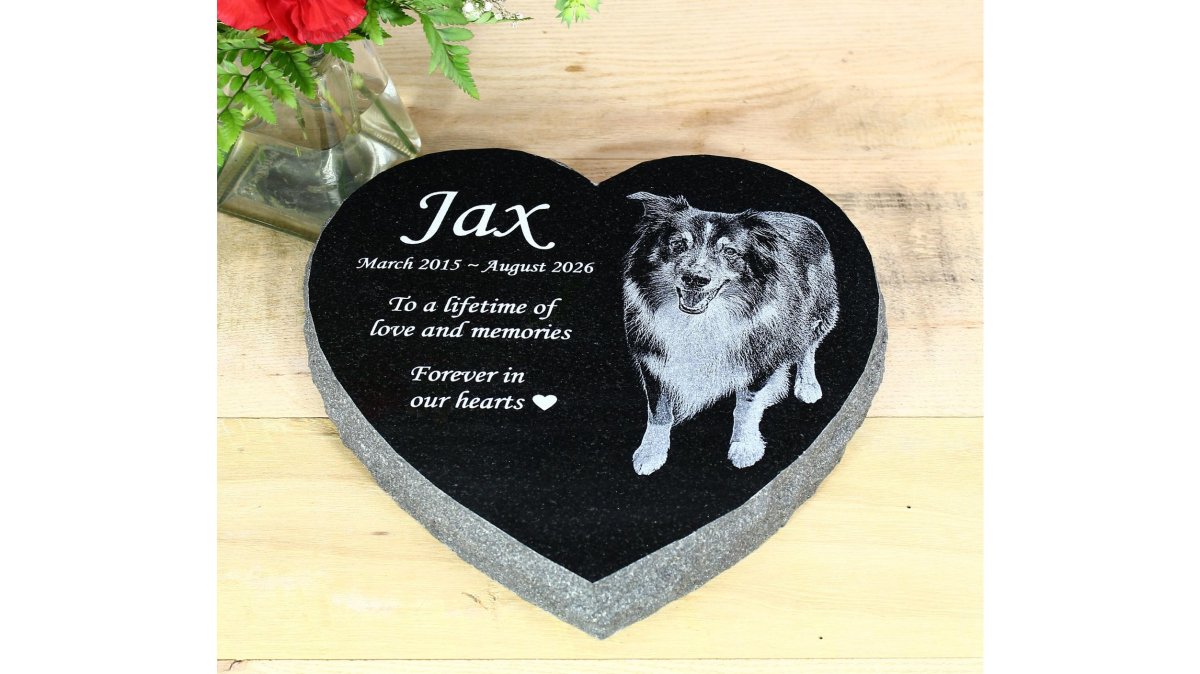
If you would rather see finished pieces before you decide, you can browse our granite grave stones to compare shapes, finishes, and etching styles.
Frequently Asked Questions
Can you use bleach to clean a granite headstone?
Bleach is not a safe choice for granite. It can react with minerals in natural stone, leave discoloration, and damage surrounding grass and soil. It also breaks down sealers and can harm lettering. Stick to water with a small amount of mild detergent, rinse thoroughly, and use a soft-bristled brush. For tough biological growth, use a stone-safe cleaner labeled for granite rather than household bleach.
What is the safest way to clean a granite headstone?
Start with water. Pre-rinse the stone to loosen loose debris, then wash with a soft-bristled brush and a diluted mild detergent. Scrub gently, rinse with clean water, and dry with a soft cloth. Avoid abrasive cleaners, wire brushes, and high-pressure washing. Check the stone's condition first; if it is cracked, flaking, or unstable, stop and contact a professional before cleaning.
How do you remove moss or lichen from a granite headstone?
Remove moss with a plastic scraper or soft brush after a pre-rinse. For lichen, apply a stone-safe cleaner labeled for granite, let it dwell per the label, then scrub gently with a soft brush and rinse. Never use a wire brush or bleach. If growth returns quickly, improve airflow and reduce shade around the stone, and check with the cemetery before using any product.
How often should you clean a granite headstone?
Clean granite once or twice a year, or when you notice dirt, bird droppings, or biological growth. Spring and fall are practical times. More frequent cleaning is not needed and can add wear. Always inspect the stone first; if it is unstable or heavily stained, consult a professional rather than scrubbing harder.
Cleaning a granite headstone safely comes down to water, a mild soap, a soft brush, and patience. When you are ready for a memorial built to hold up for generations, Memorials Direct can help. Our custom designed and permanently etched memorials, one-on-one design process, and direct-to-consumer model mean you work with a real person from first sketch to final stone. Get started with Memorials Direct and create a memorial that honors your loved one for years to come.
Comments